Art Journaling: Building Your Creative Practice Daily
Start an art journal that fits your life. Learn how to combine sketching, painting, and mixed media to document your creative journey without pressure or perfection.
Why Keep an Art Journal?
Art journaling isn't about making gallery-worthy pieces. It's about showing up regularly, experimenting with whatever materials you have, and letting your hand and mind work together. You're not creating finished work — you're building a visual diary that captures your creative growth over time.
The real magic happens when you stop worrying about whether something "looks good." Most artists we've talked to say their best discoveries came from pages they almost threw away. That's because an art journal is a space where mistakes become part of the process.
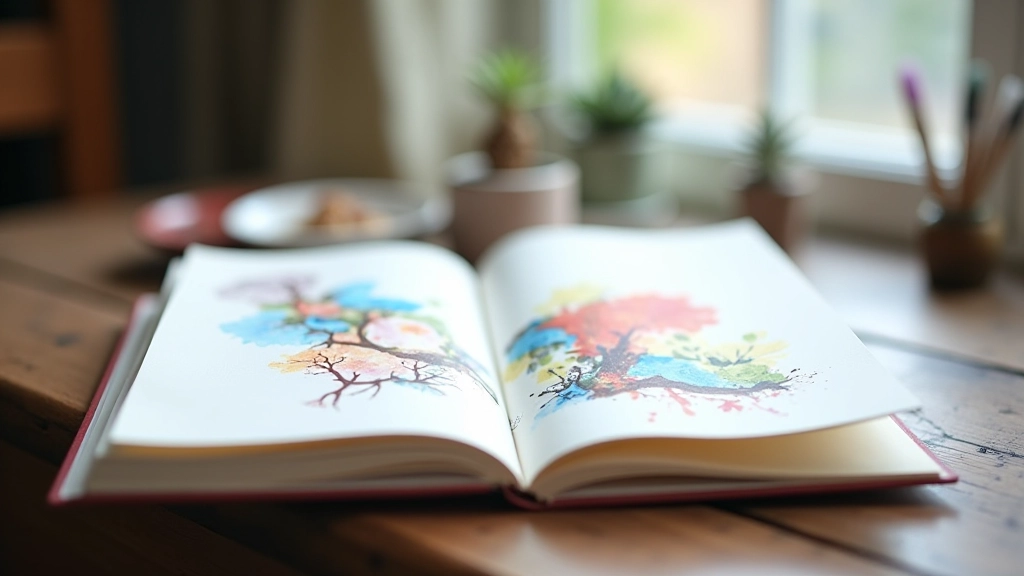
Getting Started: What You Actually Need
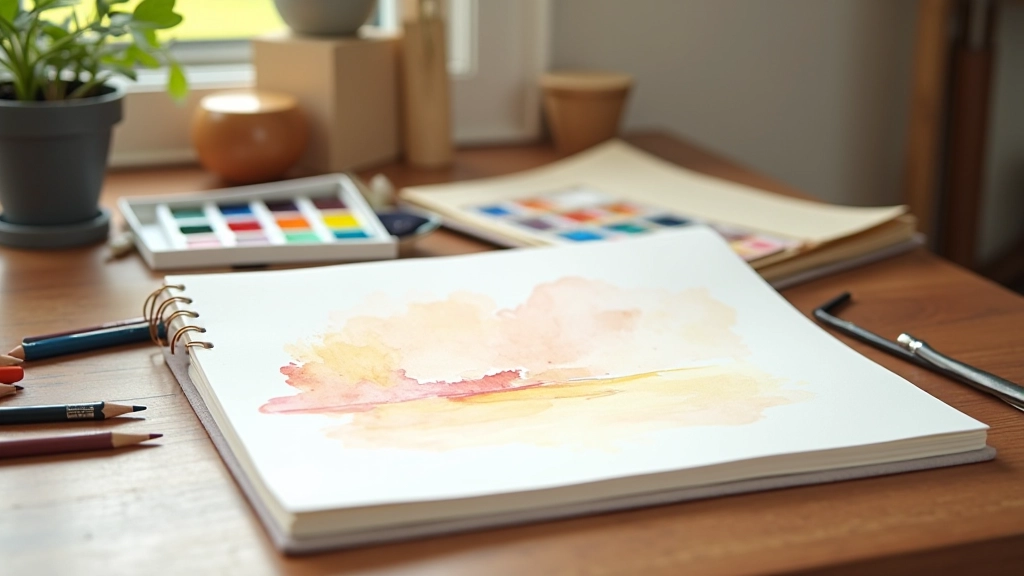
You don't need fancy supplies to start. Honestly, a notebook and a pencil are enough. But here's what works well if you want to expand into mixed media.
Journal or Sketchbook
Hardcover or soft cover, lined or blank. A4 or smaller. The paper weight matters more than the brand — 140gsm minimum if you'll use watercolor or markers.
Drawing & Painting Supplies
Pencils (HB to 2B for sketching), colored pencils, watercolors, or acrylic markers. Start with what you have. Add materials gradually as you discover what you enjoy.
Brushes & Applicators
Natural hair brushes work great with watercolor. Synthetic brushes handle acrylics better. You'll also need water cups and paper towels for wet media.
Mixed Media Extras
Scissors, glue stick, old magazines for collage, washi tape, or stamps. These aren't essential but they expand your creative options.
Building a Daily Practice That Sticks
The trick with consistency isn't willpower — it's making art journaling so easy that skipping it feels weird. You're not aiming for finished pieces. You're aiming for 15 minutes most days.
Set a Regular Time
Morning coffee, lunch break, or before bed. Pick something that fits naturally into your day. Even 10 minutes counts.
Start with No Plan
Open your journal and make a mark. Draw what you see. Paint your mood with color. Write words and sketch around them. There's no wrong starting point.
Experiment Without Fear
Try that technique you've been hesitant about. Use colors you don't normally pick. Mix media. Some pages will work beautifully. Others won't. That's the whole point.

Important Note on Your Creative Journey
This guide is designed to help you understand art journaling techniques and develop a sustainable practice. Art journaling is a personal, creative activity — there's no single "right way." Your journal is yours alone. Results, progress, and enjoyment vary based on your starting point, frequency of practice, and personal creative goals. This content is educational and informational only.
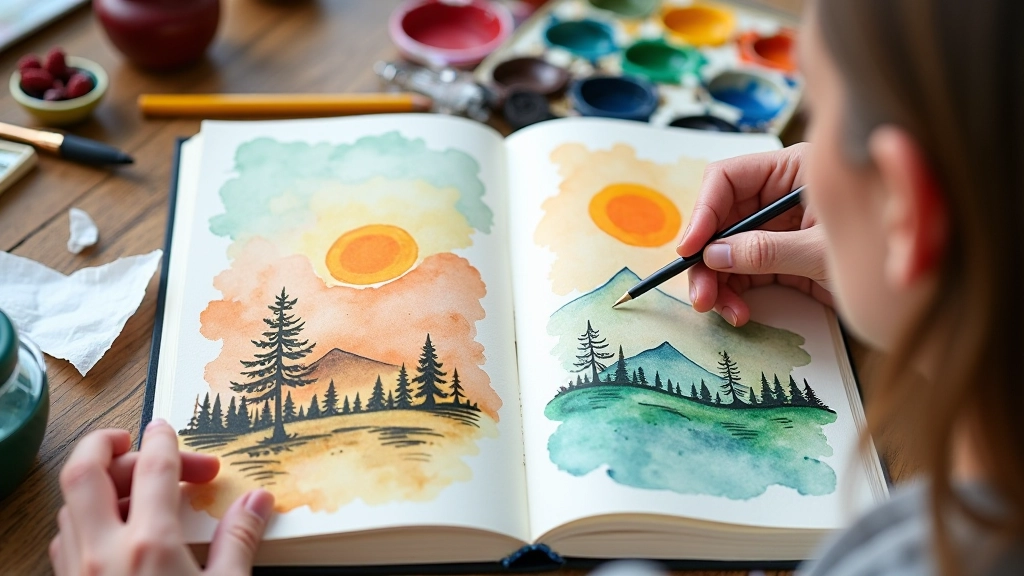
Techniques Worth Exploring
You don't need to master everything at once. Pick one technique, try it 3-4 times, then move on. This approach keeps things fresh and prevents boredom.
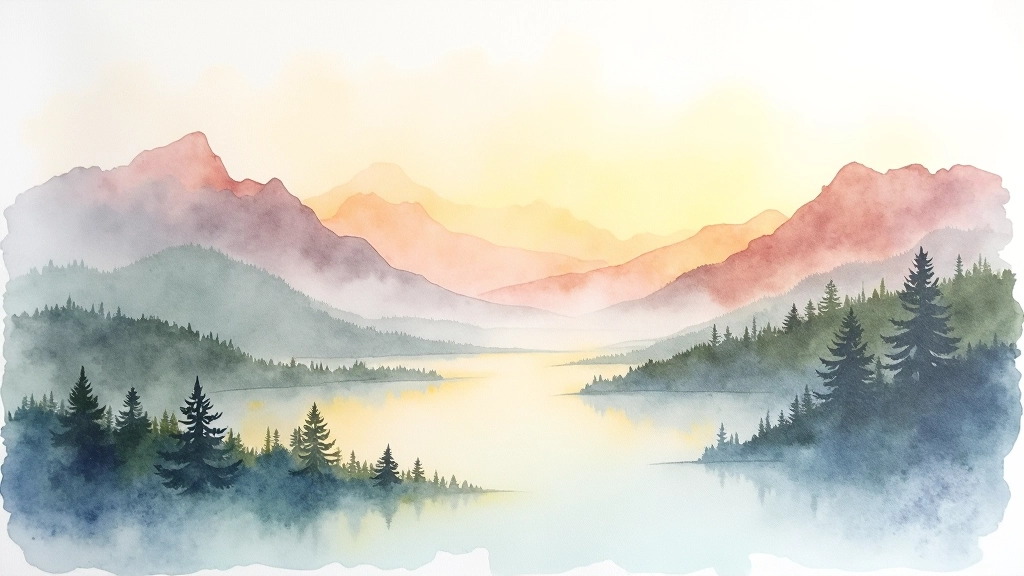
- Watercolor Washes: Wet your page, drop in color, let it flow. Perfect for moods and atmospheres.
- Ink & Pen Work: Fineliner pens or brush pens over pencil sketches. Great for details and line variation.
- Collage Elements: Magazine cutouts, tissue paper, or printed images glued into your pages. Adds texture and visual interest.
- Mixed Lettering: Combine printed text, handwriting, and calligraphy. Words become visual elements too.
- Layering & Opacity: Build pages gradually. Don't cover everything in one go. Leave white space and breathing room.
Creative Prompts When You're Stuck
Some days you'll open your journal and not know where to start. These prompts help break that blank-page freeze. Pick one, spend 10-15 minutes, and see where it takes you.
What color is your mood today?
Paint or color a page using only that color and its variations. No objects, just emotion expressed through color.
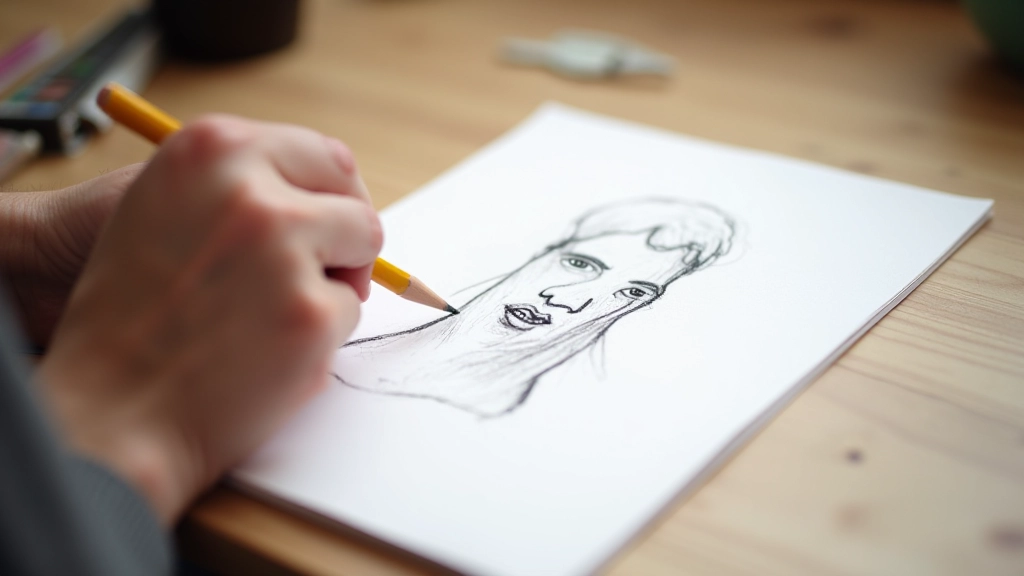
Draw something from your morning
Your coffee cup. A plant on your desk. The view from your window. Something you actually saw today.
Create a color study
Pick two colors that don't usually go together. Make them work. Blend them, layer them, see how they interact.
Write about something, then illustrate it
A memory, a thought, a word. Scribble it down first. Then draw images around or within the text.
Experiment with one new tool
That marker you haven't used. A stamp. Tape. Scissors. Spend the page just exploring how it works.
Make an abstract background
Lines, shapes, patterns, textures. No plan. Then add one simple object on top. See how they interact.

Start Today, Keep Going Tomorrow
Art journaling works because it's forgiving. You're not preparing for a show or competing with anyone. You're building a practice that belongs entirely to you. Some days you'll create something you love. Other days you'll make marks that don't work out. Both matter equally.
The real win isn't a beautiful page — it's the habit itself. After a few months of regular journaling, you'll flip back and see how your hand has grown more confident. Your color choices more intentional. Your willingness to experiment more adventurous. That's where the magic is.
Grab your journal and whatever's within arm's reach. Make a mark. That's enough to start.